
Defascistizzazione
Alternative Money and the Much-Needed Separation of Commerce and State

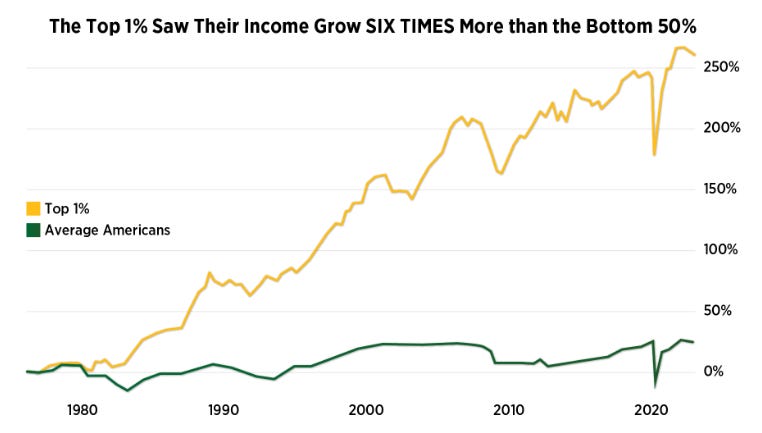
It should be clear by now, dear reader, that things need to change. The existing monetary system is severely stacked in favor of financialized economies over industrial nations, which in turn favors asset holders at the expense of the working class.
We are reaching a significant turning point as the desire for financial revolution coincides with the advent of new technologies. The industrial world is rejecting the dominion of the Eurodollar system while various central banks are losing control of currency stability.
Change is coming whether we like it or not. Many believe that it’s too late to reject the new system of control, and we’re better off searching for ways to benefit from the impending transfer of wealth. I wholeheartedly disagree.
Now is the most ideal time to establish alternatives to the existing system. The people are already inclined to distance themselves from a banking conglomerate that only wishes to steal their wealth. It’s only a matter of time before they shove their very own “solution” down our throats, so it is better to beat them to the punch with a clear substitute. One that purveys actual free markets and equitable opportunities for prosperity.
Coordinated efforts to subvert existing organizations of power have occurred throughout history. Countless European countries in the last century orchestrated various “gray markets” to challenge the financial and government systems of fascism and communism that plagued the countries for generations. Some worked better than others.
There must be a viable alternative before the insurrection. Otherwise, the power vacuum can be filled by an equally malicious authority.
In the past, communist governments have been replaced with capitalistic markets as the quality of output and greater potential for individual prosperity prevailed over the socialized services.
Conversely, oligarchical regimes were ousted by democratic governments that sponsored services previously monopolized by the prevailing robber barons.
Today, we have a more complex amalgamation of socialized governments, technocratic oligarchs, banking monopolies, and brutal dependency by the populace for each system.
The trick to undermining a comprehensive plutocracy is to break the overreliance compelled by each wicked facet. Every societal addiction must have an equal or preferable alternative to entice and liberate the people.
The primary and most critical step is to bypass the monetary system with a reliable and stable form of money. The people need a legal avenue to preserve their existing wealth while increasing the product of their labor relative to the dying fiat system.
The alternative needs to be compatible with all forms of commerce and easily transferable with contemporary currency. There would need to be a merger of scarce commodities like precious metals and reliable digital ledgers to ensure a fixed supply without the potential for counterfeiting.
Before modern banking and debt-based currency, bimetallic coins were used to establish stable measures of wealth compared to any paper money created by governments.
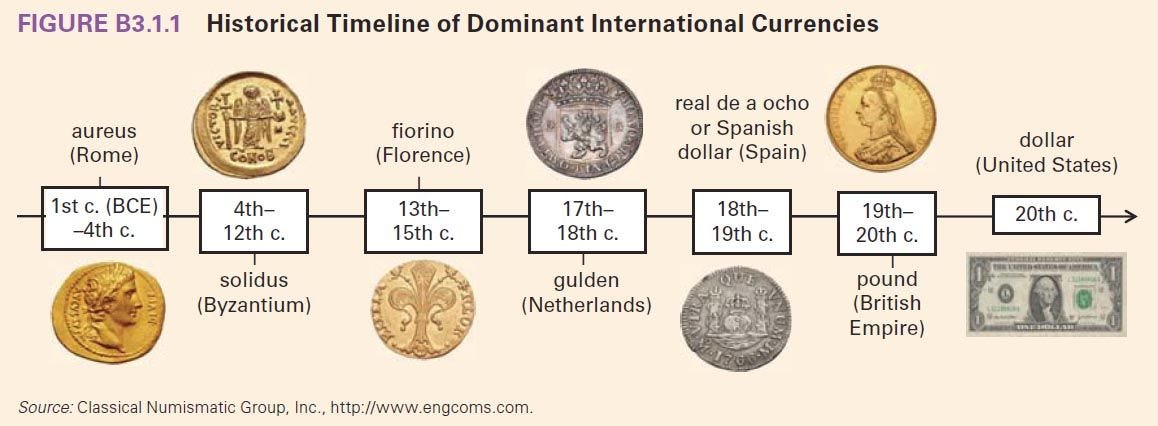
In a system where excess capital can be used to generate new wealth, often referred to as capitalism, there will always be a demand for funds greater than the supply of minted metals. Thus, the paper value of money on ledgers sporadically changes with its ratio to scarce resources.
Nations with surmounting war debts, overleveraged financial institutions, and destitute economies inevitably will devalue their currency for pecuniary stability.
However, the intrinsic value of pure or bimetallic coins allowed people to protect their wealth in spite of inflationary pressures.
Throughout history this mechanism undermined governments and banks because they were incurring “paper” debts by spending nonexistent money with no semblance of real value.
The assessed worth of any metal cannot be faked since these elements have quantifiable ratios to other commodities, and they are measured by physical weight and chemical composition.
If the citizenry is able to circumvent the fugazi of modern banking and finance, physical coins in their fundamental form challenge the agency of governments and central banks.

This is the purpose of legal tender laws and the primary reason why minted coins have transitioned from silver and gold to copper, zinc, and nickel. True coinage valued by its base metals will appreciate when denominated in failing fiat currencies. Bimetallic currency is endlessly scalable; it just needs to be appropriately priced in a free market.
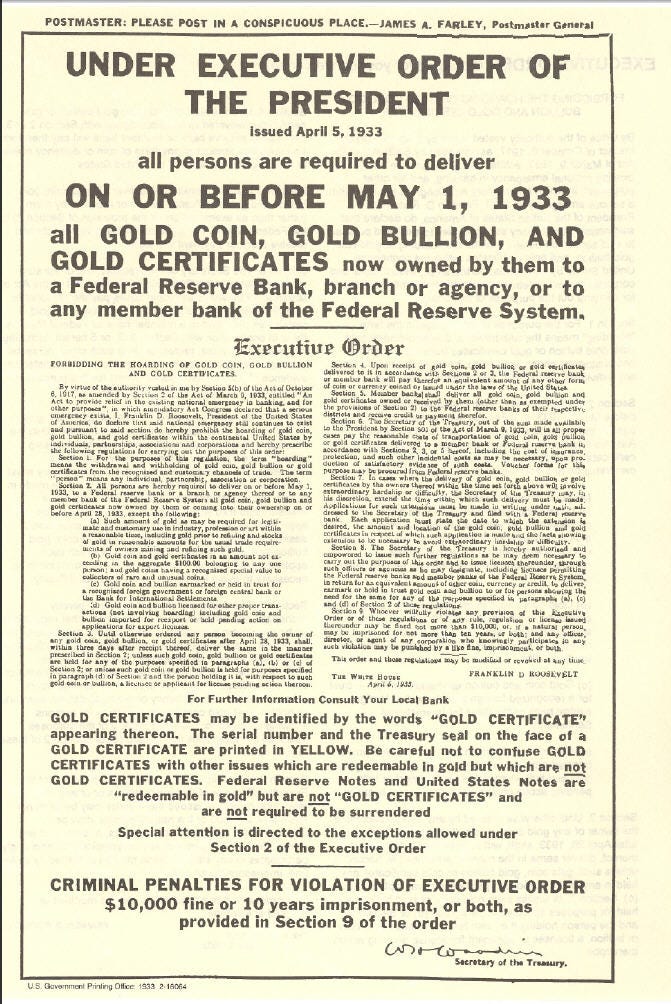
Historically, the monetary authoritarians have ensured that this never happens. From stockpiling precious metals, manipulating supply with paper contracts, and even forbidding the conversion of metal to currency. Governments colluding with central banks have safeguarded their financial supremacy with blatant fraud.
Thus, an alternative currency pegged to tangible commodities that circulates on a decentralized and transparent ledger would defy the entire criminal enterprise of fiat money.
The calculative fraud would be entirely out in the open as the conventional currency dies in relation to real money possessed and transacted by the people.
Fiat requires ambiguity. It’s one giant con job that easily fails without confidence.
Free and fair competition reveals their fatal flaws. Fraudulent systems can appear legitimate forever without an authentic counterpart.
As real money begins to circulate in competitive markets of buyers and sellers, the tide recedes to reveal who is wearing swim trunks…
Monopolies fail, charlatans are outed, and the insolvent are allowed to fail.
The masquerade of our over-subsidized and financialized economy cannot survive in a fair monetary environment. Government services become increasingly expensive, investable assets become progressively less lucrative, and the success of business relies on quality of product instead of unbridled quantity.
The key is free market competition. Socialized services endowed by governments can be replaced by privatized organizations or paid for with elective taxation. Furthermore, monopolized industries that are fundamental to basic survival can be nationalized. Services can be provided by both government and businesses. Freedom comes from choices.
Today, it seems that all aspects of modern society are purposefully structured to extract the most money and employ the most dependency.
If essential services like food, shelter, utilities, and healthcare are all privatized, the consumer is compelled to pay whatever the monopoly/oligopoly dictates. Inversely, if elective services like national defense, income security, and healthcare (ironic) are all guaranteed by the state, the average taxpayer is compelled to pay in excess of their natural disposition.
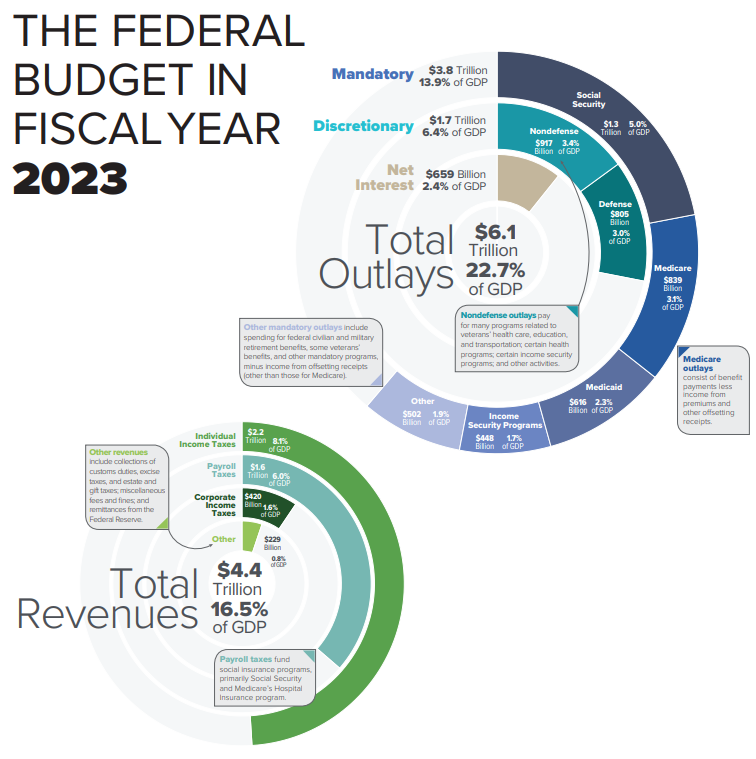
In a state of real money and true competition, the market decides which industries are sponsored by the government or appropriately left to competitive businesses.
Entitlements would vary based on state, region, or municipality. Social services would be determined by the need and willingness to pay for them. It is much harder to sponsor benefits unwanted by the general populace without unrestrained debt.
Socialist policies cannot mix with market economies without degrading the currency.
This is why government-issued currency should always be detached from real money. It is evident that severe inflation follows periods of money printing in response to a crisis. Emergency spending should not degrade our savings, especially if that spending is not fully warranted.
There needs to be a separation of state and commerce. The fiscal irresponsibility of governments and central banks has degraded the value of our labor through schemes of fraud and counterfeit.
There is a time and place for state endorsements, but people need a reliable medium of exchange that is independent from the effects of frivolous spending.
Dueling currencies will create disparities, but they will be grounded in true principles of economics that reward productive people and businesses.
Rather than forcing an inflated currency onto a working class, a competing system based on real money will protect the purchasing power of those who work for wages and wish to save their earnings.
These systems can coexist. At least temporarily.
Varying governmental bodies could issue baseless currency for endless social services and pointless wars, but the inflation would be realized immediately. The fiat essentially would have an expiration date and need to be spent quickly or lose all its value relative to real money. Asset prices will appreciate exponentially. Entitlements will need to constantly be expanded. Debt will exceed all productive output. Weird… that sounds familiar.
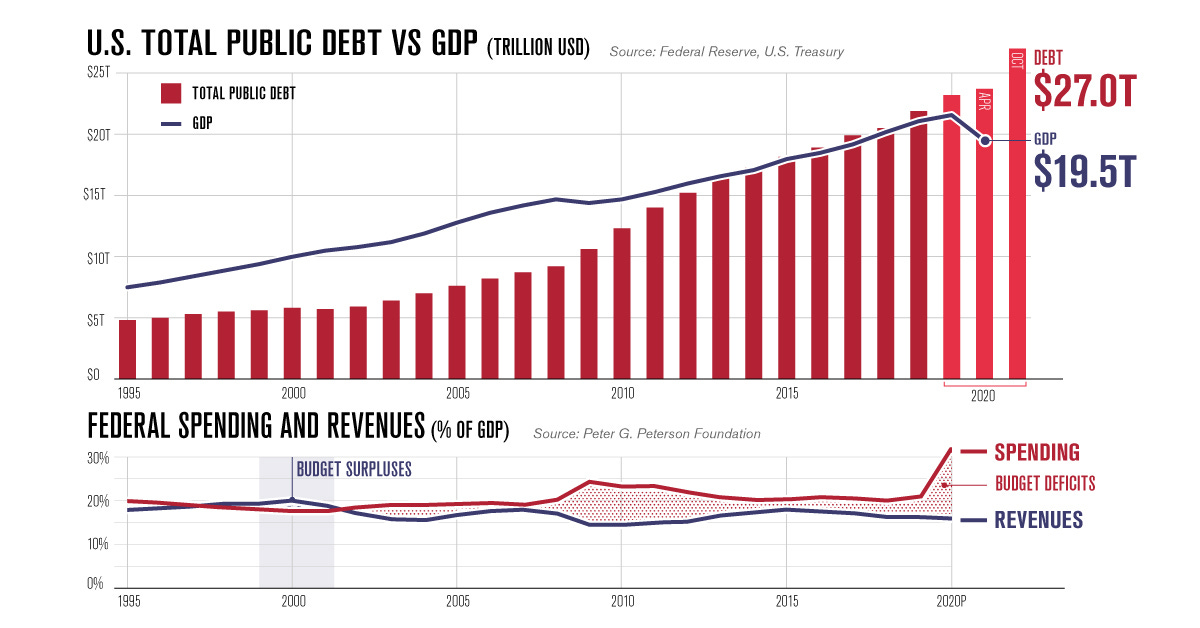
Markets built on stable currency will inevitably yield higher quality products while the fiat will rely on financialization, cheap debt, and marketing strategies to stay competitive. Luxury items and risky investments will require bigger price tags, but necessities priced in real money will be affordable and strictly based on supply and demand.
These hypotheticals are indicative of today's monetary nightmare. Assuming you were paid in gold instead of dollars for the past 5 years, your purchasing power would be stable, and your labor would be worth more.
We all have the opportunity to bypass and eventually abandon the current system. It just takes an acknowledgment of the current situation and a viable alternative to it.
In this case, poverty is a choice we all collectively choose. We are not beholden to the fiat conferred by criminal banks. Yes, it takes two to transact, and we must agree on a suitable means of exchange, but that does not mean we have to trade with their money.
Each sovereign transaction is one step closer to true economic freedom. Anyone want to trade?
Have you heard of goldbacks? My kids read and watch the Tuttle Twins and they asked for goldbacks for Christmas. 🤣🤣